
How We Farm Gas
Understanding how we farm gas underground starts with how operators traditionally produce gas.
Almost all produced natural gas comes from one of two processes, thermogenic or biogenic. Methanogenic organisms produce biogenic gas in marshes, bogs, landfills, and shallow sediments.
Thermogenic gas comes from buried organic material. Being deeper in the earth, thermogenic gas develops at much higher temperatures and pressures.
The Two Types of Gas
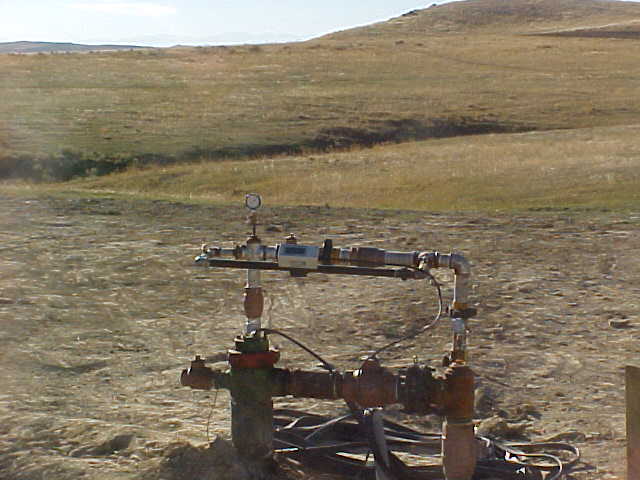
Most vertical wells produce thermogenic natural gas, and horizontally drilled and fracked wells do the same. Some of the areas in the United States where thermogenic natural gas is common are:
- West Texas
- Gas from Western Colorado and Wyoming
- Marcellus formation in Pennsylvania
- Utica Shale formation in Ohio
- Pennsylvania and West Virginia
- Haynesville Shale formation of NW Louisiana and NE Texas
- Bamett Shale formation of North Central Texas
- Eagleford Shale of SW Texas
In the United States, shallow-buried coal seams produce most biogenic gas. The industry calls this gas Coal Bed Methane (CBM). In most cases, CBM is well over 90% methane (CH4) with minor amounts of nitrogen (N2) and carbon dioxide (CO2).
Coal Bed Methane and Water
CBM development has been ongoing since the late 1980s. To produce the biogenic natural gas from the coals, the first step in most CBM wells is withdrawing vast quantities of the usually potable formation water. This water naturally occurs underground, usually in the coal seam, which serves as an aquifer. Read more here about why we think gas is important today.
CBM is most likely generated by the methanogenic community and adsorbed into the coal matrix during the many millions of years required for the coalification process. The coals of northeast Wyoming are roughly 20 million years old.
The typical CBM production process involves lifting the water to the surface, occasionally treating it, and then discharging it into natural waterways. As formation water is removed, the hydrostatic pressure in the coal reservoir decreases. The removal of water is a massive waste of a valuable asset. Without coal-aquifer water, the habitat of the methanogenic organisms that make the hydrogen and methane is destroyed.
Current CBM production in northeast Wyoming is in the 15th year of decline, and, amazingly
enough, the water levels in most of the gas-producing coals have recovered to near pre-CBM water-removal levels.
An Opportunity to Farm
Scientific literature documents how operators can farm underground, largely dormant, methane-producing organisms. Building on this work, Emerald field-tested its proprietary methane farming process in 2019. In 2022 and 2024, Emerald also validated bio-hydrogen farming amendments through field trials. These results explain how we farm gas today by combining biological stimulation with Emerald’s patented gas-water separation tool, enabling the direct production of hydrogen and methane from coal seams.
By farming bacteria in conjunction with this proprietary Tool, Emerald Operating will produce a renewable, sustainable, non-fracked, natural-gas-generated revenue stream at current and future (higher) natural gas prices.
If you’d like more information on Emerald or Emerald’s activities, please contact us here.